
The Concept of Luck in Gambling
Luck is often viewed as a fundamental aspect of gambling, especially in casino environments. Many players enter casinos with the belief that luck plays a crucial role in determining their winning potential. This belief is deeply embedded in cultural narratives and folklore about gambling, where tales of fortunate jackpots and lucky streaks circulate among enthusiasts. Interestingly, some players also enjoy engaging with online pokies that further enhance this sense of chance, leading them to rationalize their wins and losses as the whims of fate rather than the results of calculated strategies. This perspective can create an emotional connection to gambling, where individuals feel that they are part of a larger narrative of chance and fortune.
The psychological aspect of luck cannot be overlooked. Gamblers often exhibit behaviors that reflect their belief in luck’s influence, such as carrying “lucky” charms or engaging in rituals before placing bets. These behaviors can create a sense of empowerment and enhance the enjoyment of the gaming experience. Yet, it’s essential to distinguish between luck as a concept and the mathematical realities of casino games, which are often designed to favor the house over the player in the long run. This distinction can lead to a better understanding of how luck operates within the confines of structured gaming.
In games of chance like slots or roulette, the notion of luck can be particularly enticing. Players are drawn to the idea that one spin could result in life-changing winnings, promoting a hopeful and often reckless attitude towards gambling. Conversely, in skill-based games such as poker, luck still plays a role, but skill and strategy become increasingly significant in determining outcomes. This duality of luck and skill in gambling creates a complex dynamic that keeps players engaged, despite the odds being stacked against them. Ultimately, this interplay between chance and skill makes gambling a fascinating subject of study, as it reveals the deeper motivations behind why people gamble.
The Mathematics Behind Casino Games
While luck is a popular belief among gamblers, the mathematics of casino games provides a different perspective. Every game in a casino is designed with a built-in house edge, which ensures that the casino will ultimately profit over time. For example, in roulette, the presence of the zero slot gives the house an advantage over players, meaning that even if a player wins occasionally, the odds are systematically against them. This mathematical foundation contradicts the idea that luck can consistently influence outcomes in any predictable way. Players may experience short bursts of wins, but these moments of fortune are often fleeting in the grand scheme of the game.
Statistical analysis of casino games reveals that while luck can affect short-term results, the long-term outcomes are predominantly determined by probabilities and odds. Casinos rely on complex algorithms and odds calculations to ensure their profitability. Players might experience a winning streak or a fortunate run, but these instances are statistically unlikely to change the overall outcomes dictated by the game’s design. Therefore, understanding the underlying mathematics can help players maintain a more realistic outlook on their gambling experiences. This awareness can aid in making informed decisions rather than relying solely on luck.
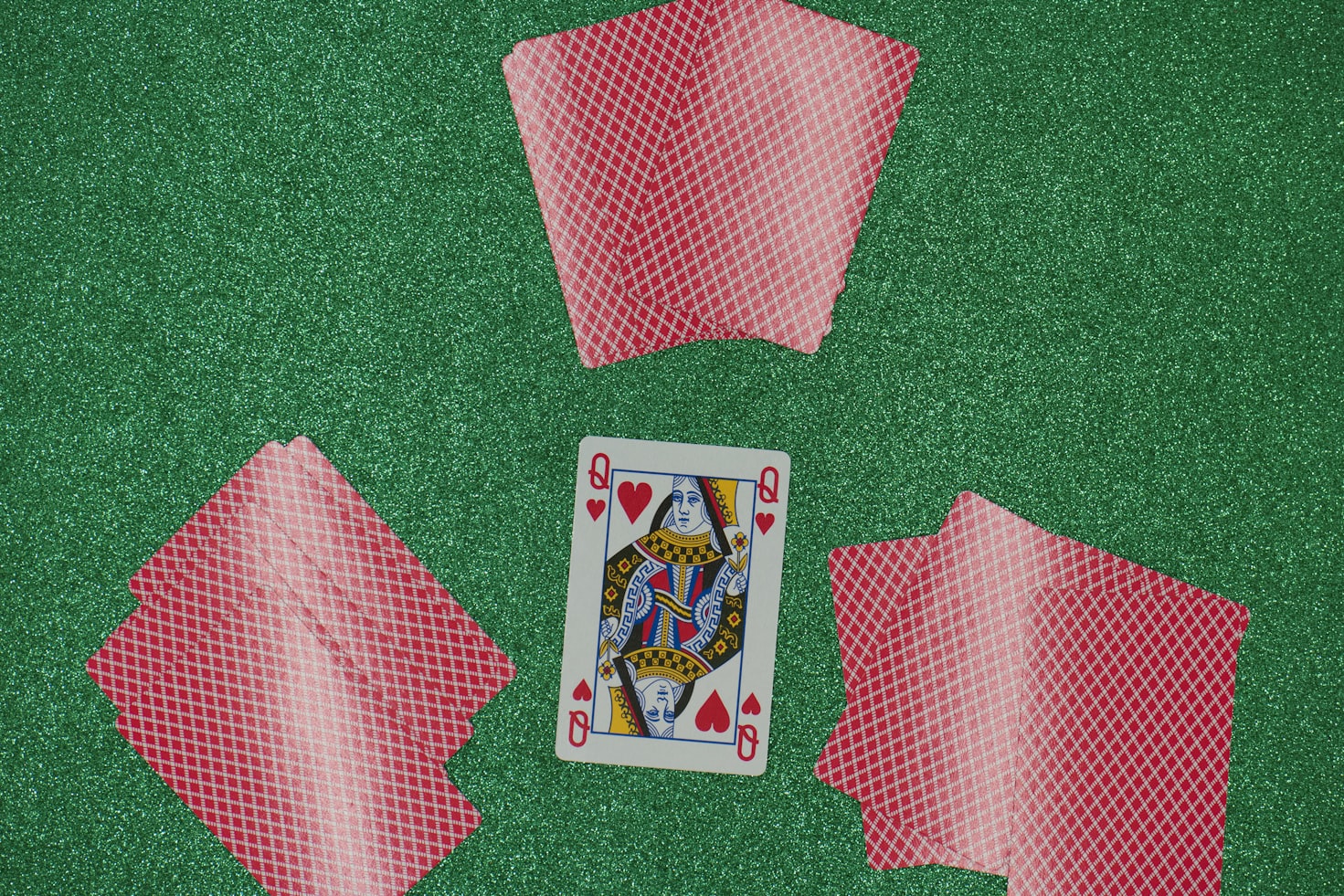
Moreover, the role of random number generators (RNGs) in modern electronic gaming machines epitomizes the mathematical certainty in casino outcomes. These systems ensure that every game result is independent of previous outcomes, reinforcing the idea that past results do not influence future spins. The sheer randomness of these systems means that while luck may play a part in any single game instance, over many plays, skill and strategy coupled with an understanding of the house edge are what lead to better decision-making in gambling. Thus, players who comprehend the mathematical principles behind casino games are better equipped to navigate their gaming experiences.
The Role of Psychology in Perception of Luck
The psychology behind gambling and the perception of luck plays a significant role in how players approach their gaming experiences. Cognitive biases, such as the gambler’s fallacy, can lead individuals to believe that they can predict outcomes based on past performances. For instance, if a player observes a particular number on a roulette wheel hitting frequently, they may falsely conclude that it is “hot” and more likely to hit again, despite the fact that each spin is an independent event. This misunderstanding of probability can lead to misguided betting strategies and increased financial risk.
Additionally, the illusion of control contributes to the perception of luck. Many gamblers feel as if their actions can influence the outcome of games, even in those primarily determined by chance. This belief can lead to a more engaging experience as players develop personal strategies they believe can sway luck in their favor, even though, mathematically, these strategies may not alter the fundamental odds of the game. By creating a sense of agency, players may find themselves more invested in the outcomes, reinforcing their belief in luck’s power.
Understanding that luck is often a psychological construct rather than a tangible force can aid players in managing their expectations. Recognizing the limits of luck allows players to engage in gambling more responsibly, focusing on entertainment rather than the pursuit of fortune. By fostering a healthy perspective, gamblers can enjoy the thrill of the game while minimizing the emotional and financial risks associated with chasing luck. This awareness can help players develop a more balanced approach to gambling, where enjoyment takes precedence over the need for significant wins.
The Influence of Superstitions and Rituals
In the world of gambling, superstitions and rituals are commonplace, with many players adopting various practices to enhance their perceived luck. These can range from wearing specific clothing or jewelry to performing certain actions before betting, such as blowing on dice or crossing fingers. Players often attribute their wins or losses to these rituals, reinforcing their belief in luck’s influence on gambling outcomes. Such beliefs serve to create a narrative around their experiences, where luck feels like a tangible force that can be harnessed through specific actions.
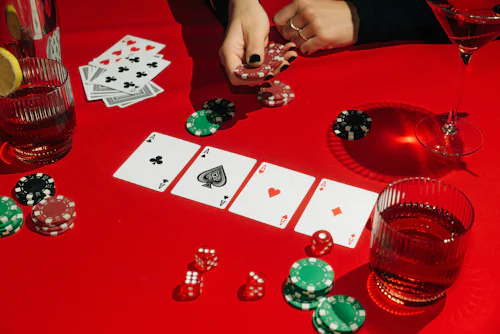
The impact of superstitions extends beyond individual behaviors; it influences group dynamics within casino environments. For example, players at table games often exhibit collective behaviors rooted in shared superstitions, creating an atmosphere where luck feels tangible. This social aspect of gambling demonstrates how deeply entrenched beliefs in luck are within gambling culture, as players seek camaraderie and validation of their rituals through shared experiences. Such collective belief systems can heighten the gaming experience, making it more enjoyable and engaging.
However, the reliance on superstitions can lead to a reliance on luck rather than strategy. While these practices may enhance the entertainment value of gambling, they can also cloud judgment and result in poor decision-making. Understanding the distinction between luck and effective gambling strategies is crucial for players who wish to navigate the casino landscape wisely while still enjoying the thrill that superstitions bring to their gameplay. By recognizing the limitations of superstitions, players can cultivate a more strategic approach to gambling, focusing on skills and knowledge rather than luck alone.
Conclusion on Luck and Casino Outcomes
In conclusion, while luck plays a significant role in the immediate experiences of casino players, the underlying structure of casino games and the influence of mathematics ultimately govern outcomes. The belief in luck is often fortified by psychological factors, including cognitive biases and superstitions, which can enhance the enjoyment of gambling but also create misconceptions about winning potential. Recognizing the interplay between luck, skill, and house odds allows players to approach their gaming experiences with a balanced perspective. This understanding can foster a more enjoyable experience, where players appreciate the thrill of gambling without being overly reliant on luck.
Furthermore, understanding the nature of gambling through a critical lens can foster more responsible gambling behaviors. Players should strive to view luck as a fleeting aspect of the game rather than a reliable strategy. By doing so, they can enhance their enjoyment of casino experiences while minimizing the risks associated with chasing luck. This balanced approach can enrich the overall gaming experience, allowing players to engage in gambling responsibly while still enjoying the excitement it brings.
For those seeking to explore the dynamics of luck and strategy further, insightful resources and discussions about gambling are widely available. Engaging with communities and platforms dedicated to responsible gambling can provide valuable perspectives on how to enjoy the thrilling world of casinos while maintaining a healthy attitude toward luck and outcomes. By sharing knowledge and experiences, players can learn from each other, enhancing their understanding of the complex interplay between luck and strategy in the world of gambling.